Hydraulic Elevators
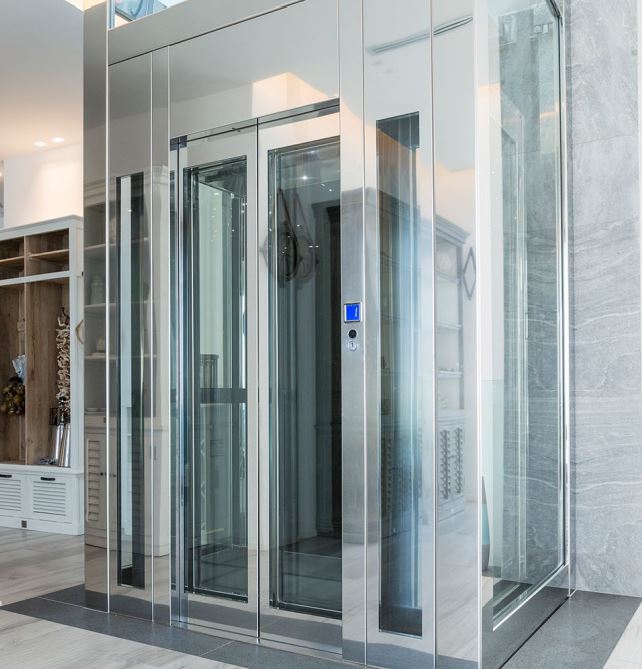
Hydraulic elevators are widely used in residential, commercial, and industrial buildings. They operate using a hydraulic system that pushes the elevator cabin upward through oil pressure, providing smooth, safe, and reliable vertical transportation.
Components of Hydraulic Elevators
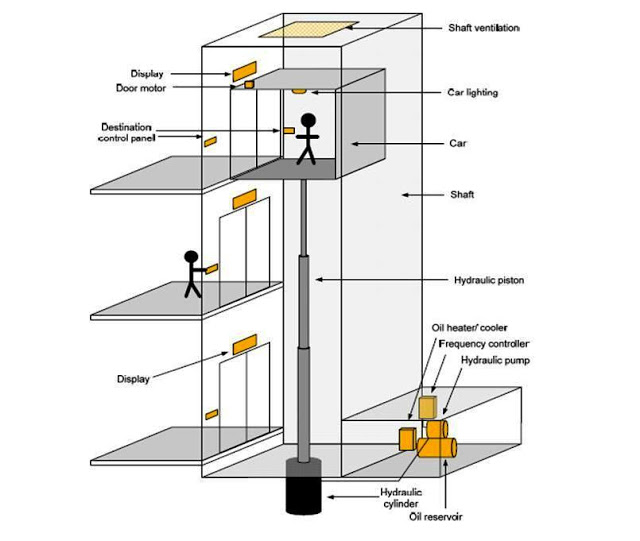
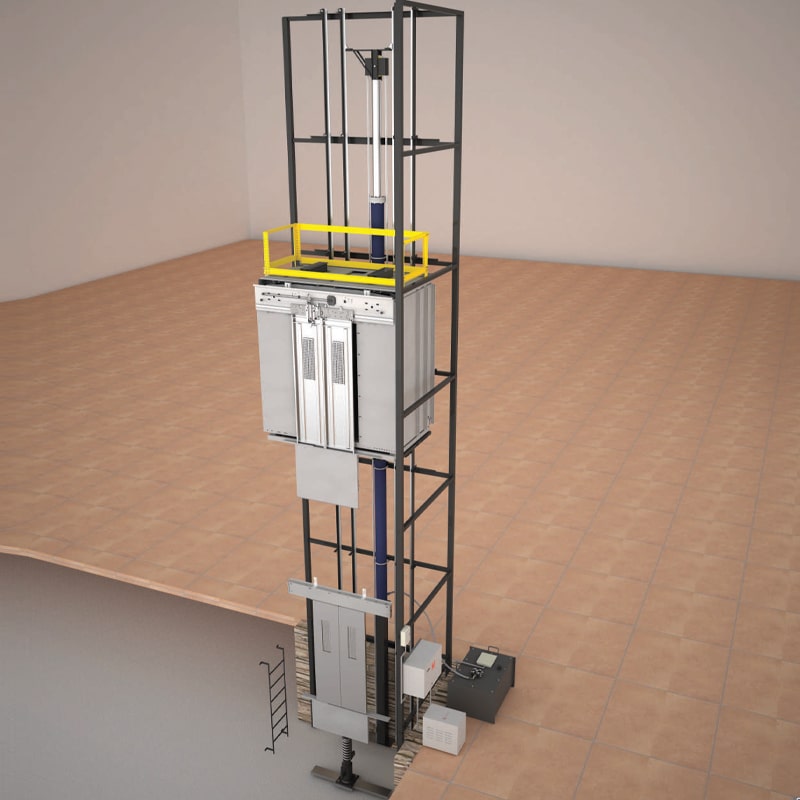
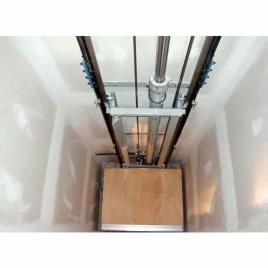
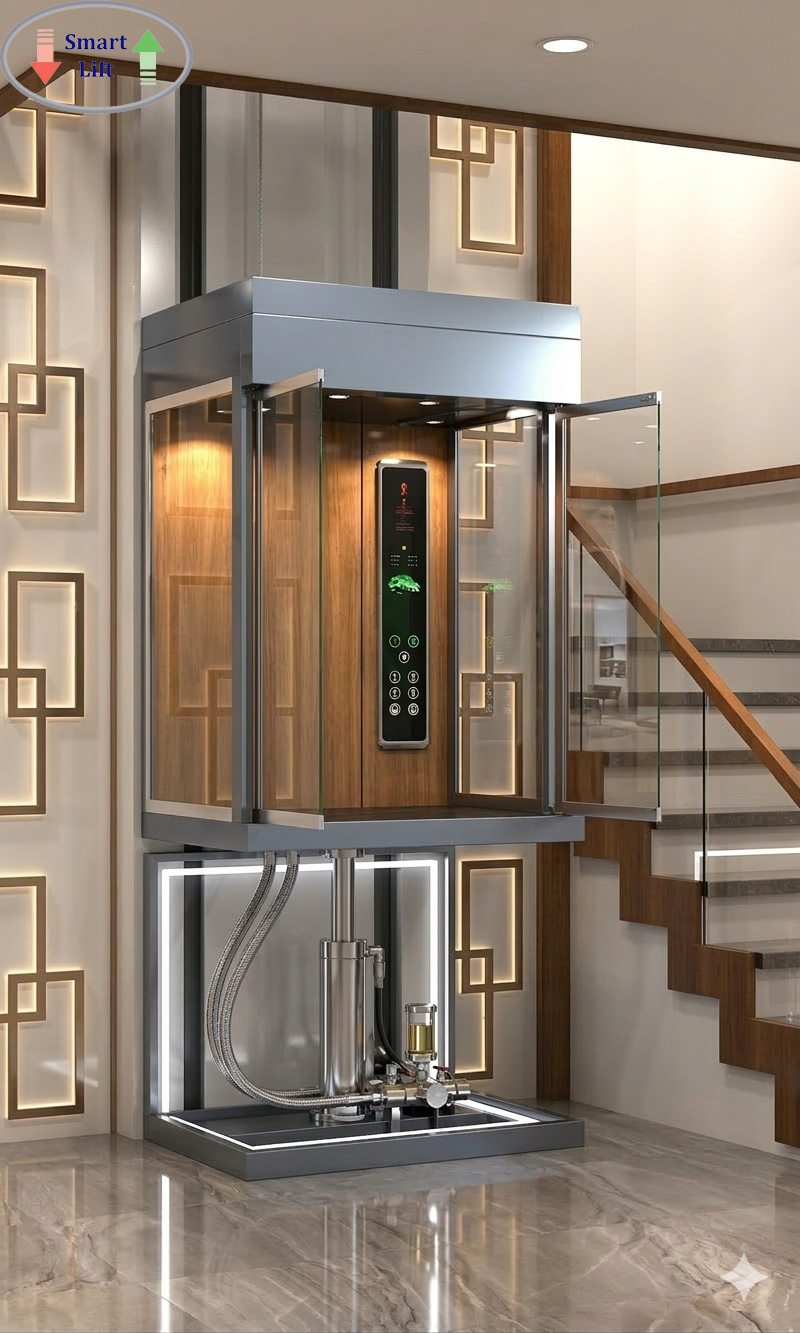
A hydraulic elevator system consists of several essential components that work together to ensure safe and efficient operation, including:
-
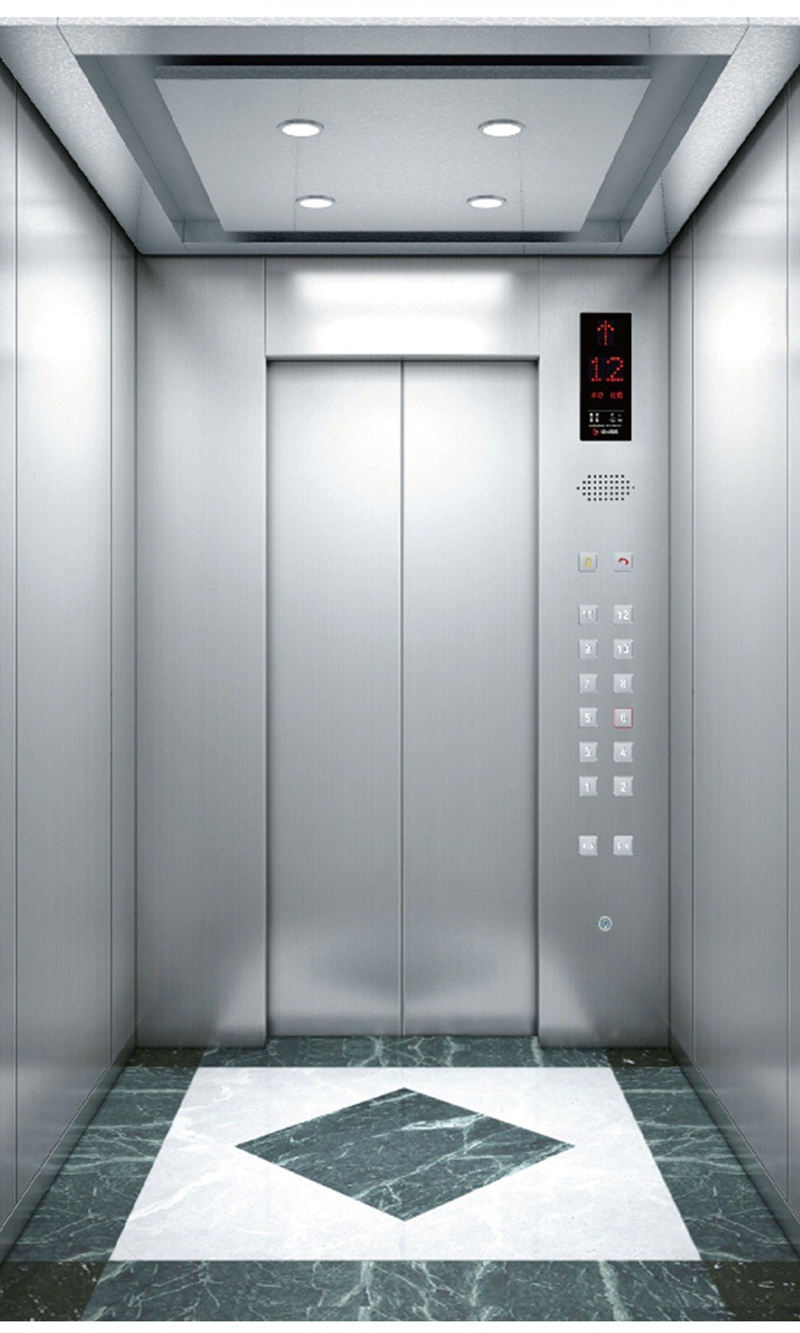
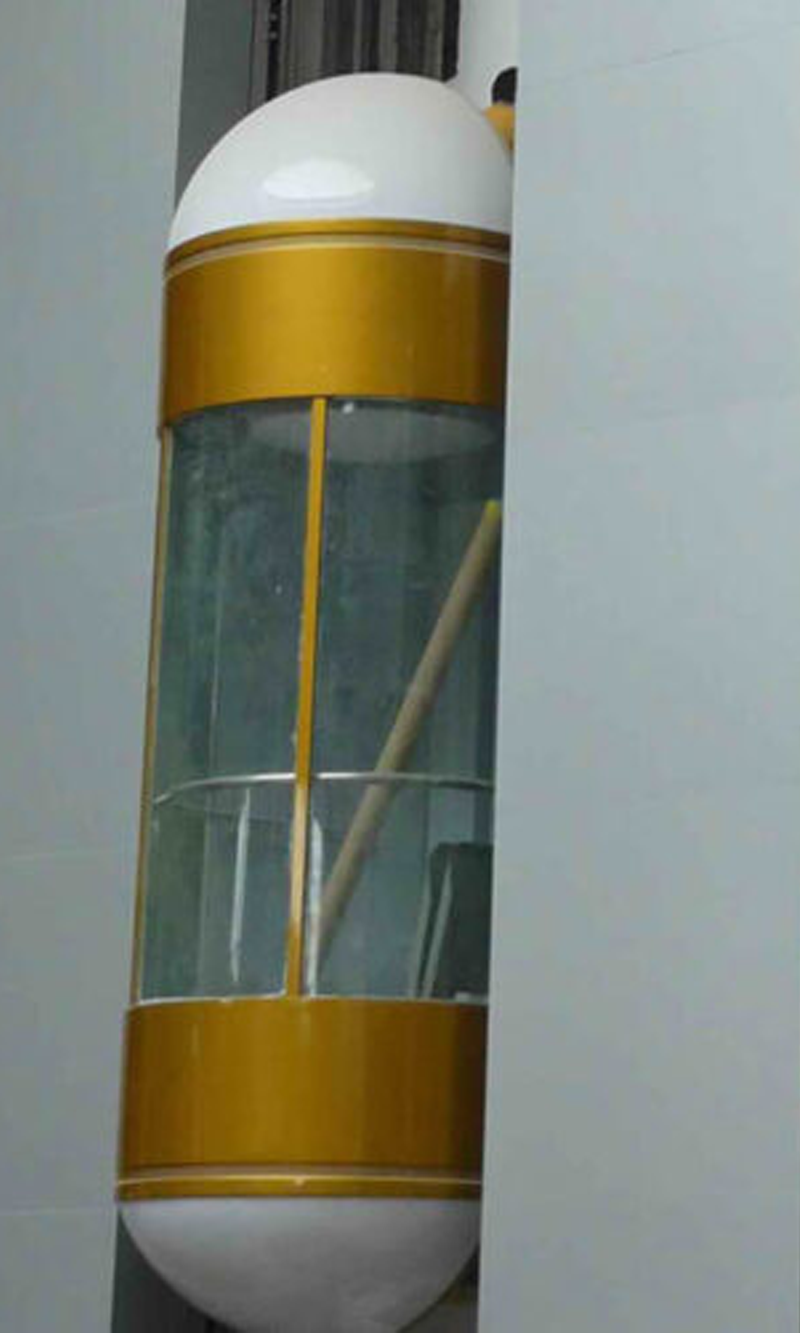
Elevator cabin (car)
-
Elevator support frame
-
Hydraulic piston cylinder
-
Suspension cables
-
Load balancing system
-
Hydraulic pump unit
-
Oil tank (reservoir)
-
Control panel
How Hydraulic Elevators Work
In hydraulic elevators, the pump unit pushes hydraulic oil into the cylinder. This pressure moves the piston upward, lifting the elevator cabin.
When the elevator moves downward, it mainly relies on its own weight while the system controls the oil flow to ensure smooth and safe descent.
Typically, the machine room for hydraulic elevators is located on the ground floor. It contains the oil reservoir, pump unit, control panel, and hydraulic hoses that carry the fluid within the system.
Applications of Hydraulic Elevators
Hydraulic elevators are suitable for transporting both passengers and heavy loads. They are commonly installed in:
-
Residential buildings
-
Shopping malls
-
Hospitals
-
Warehouses and factories
Speed and Load Capacity
Hydraulic elevators usually operate at speeds ranging from 0.125 m/s to 1 m/s, making them ideal for buildings with 2 to 6 floors.
Load capacity varies depending on the system design:
-
Single-cylinder hydraulic elevators can carry 1,000 to 10,000 kg
-
Double-cylinder systems can handle loads from 10,000 up to 90,000 kg
Requirements for Installing Hydraulic Elevators
Before installing a hydraulic elevator, several technical factors must be considered, including:
-
Purpose of use (passenger or freight)
-
Travel distance and number of floors
-
Available installation space
-
Required load capacity
-
Technical specifications of the system
Proper planning ensures safe installation and optimal performance of the elevator system.